Méditation

La méditation ne consiste pas à rester parfaitement immobile
La méditation est souvent représentée par une image d'immobilité complète : un dos droit, les jambes croisées, les yeux fermés et un corps qui semble entièrement à l'aise. Cette image peut être inspirante, mais elle peut aussi créer une attente irréaliste.
La méditation ne nous demande pas de devenir immobile. Elle nous demande d'être attentif.
L'immobilité n'est pas l'immobilité
Le corps fait toujours de petits ajustements. La respiration fait bouger la cage thoracique. Les muscles réagissent subtilement à l'équilibre. La pression se déplace d'une zone à l'autre. Ces mouvements ne sont pas nécessairement des distractions ; ils font partie de la façon dont le corps régule l'effort.
Essayer de supprimer chaque mouvement peut créer une tension inutile. Les épaules se lèvent, la mâchoire se crispe, et le maintien de la position devient progressivement plus important que la méditation elle-même.
Une posture utile offre suffisamment de stabilité pour soutenir l'attention tout en laissant suffisamment de liberté au corps pour respirer et s'ajuster.
Commencez par le soutien
Avant d'essayer de corriger votre posture, observez comment vous êtes soutenu.
Demandez-vous :
- Le bassin est-il stable ?
- Les genoux et les chevilles sont-ils confortables ?
- Les épaules peuvent-elles rester détendues ?
- La respiration semble-t-elle naturelle ?
- La position peut-elle être modifiée sans difficulté ?
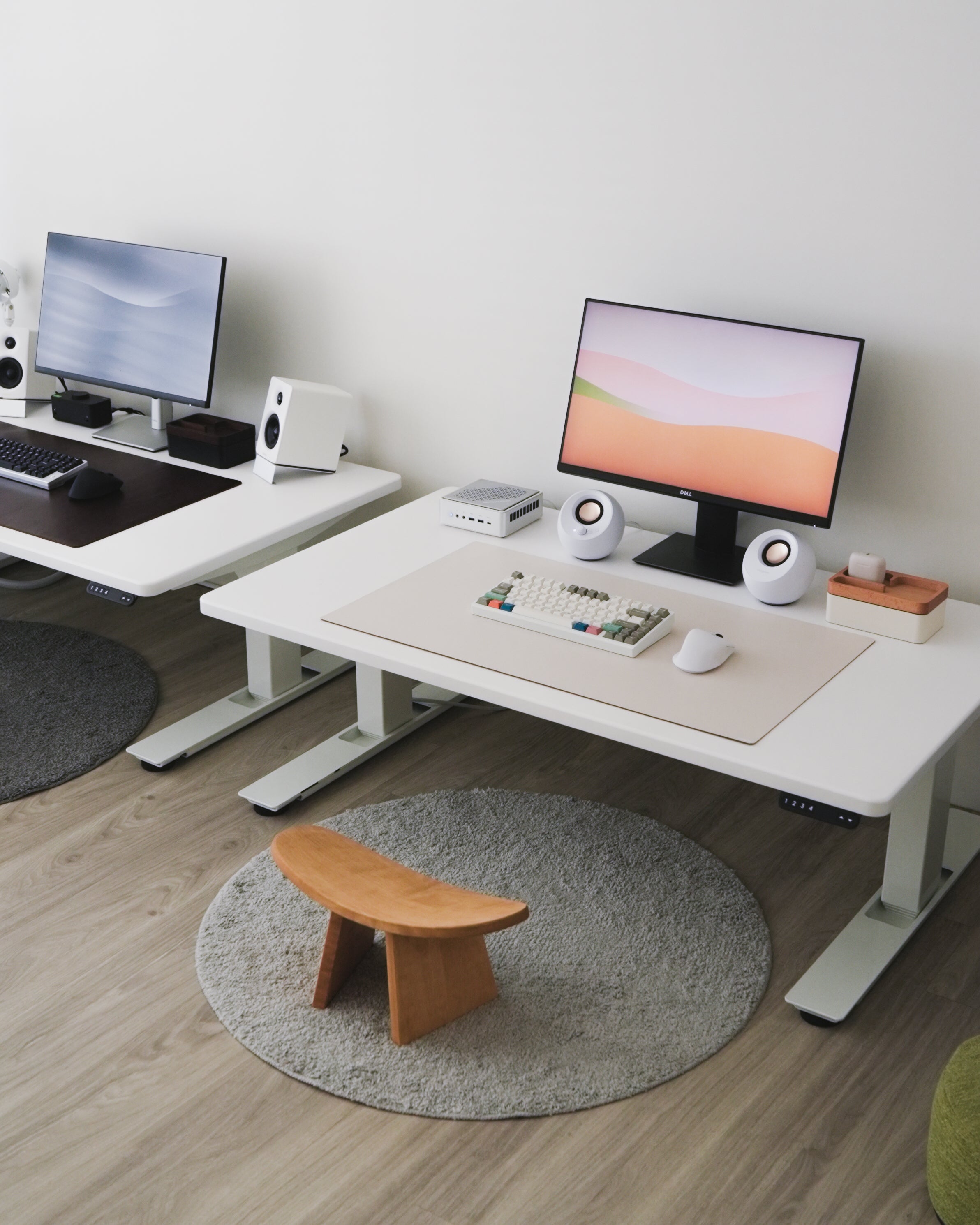
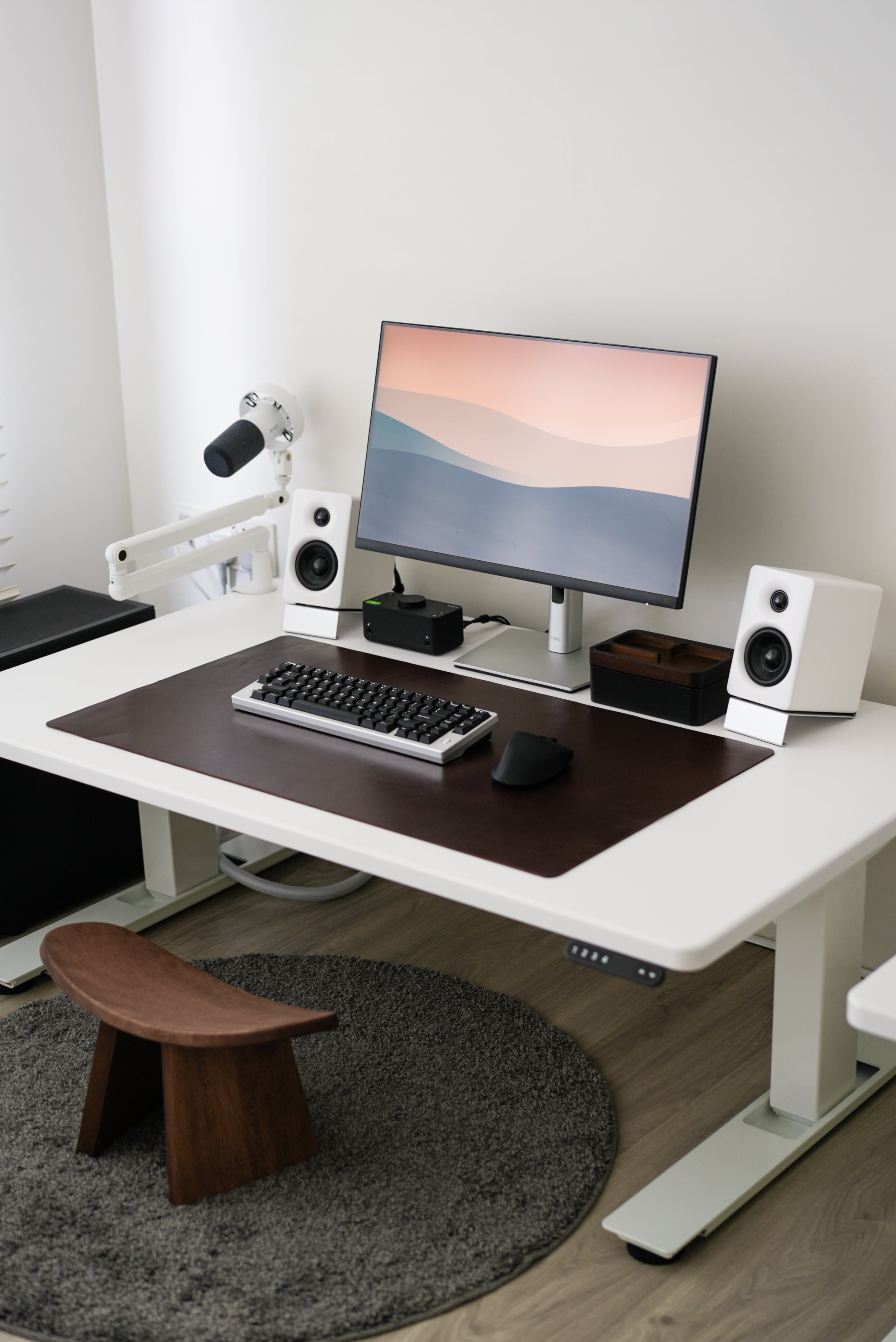
Il n'y a pas de réponse universelle. Certaines personnes se sentent à l'aise sur un coussin, tandis que d'autres préfèrent s'agenouiller, s'asseoir sur un banc ou utiliser une chaise. Le meilleur soutien n'est pas celui qui semble le plus traditionnel. C'est celui qui vous permet de rester attentif sans constamment négocier avec l'inconfort.
Le mouvement peut faire partie de la pratique
Lorsque l'inconfort apparaît, commencez par l'observer. Remarquez son emplacement, son intensité et si elle change avec la respiration.
Parfois, la sensation passe. Parfois, le corps demande simplement un petit ajustement.
Changer de position ne signifie pas que la méditation a échoué. Le mouvement peut lui-même faire partie de la pratique : observez l'intention de bouger, bougez lentement, observez le changement, et revenez à la respiration.
Au fil du temps, cela crée une relation plus attentive avec le corps – une relation basée sur l'écoute plutôt que sur la résistance.
Une pratique à laquelle vous pouvez revenir
La constance ne vient pas du fait de forcer le corps à tolérer une position inadaptée. Elle se développe lorsque la pratique semble possible à reprendre.
Une posture de méditation de soutien n'a pas besoin d'être impressionnante. Elle doit créer les conditions de la présence.
Le but n'est pas de s'asseoir parfaitement.
C'est de trouver une façon de s'asseoir qui vous permette de rester.